Veer elevator

What are the main components of an Elevator Machine Base?
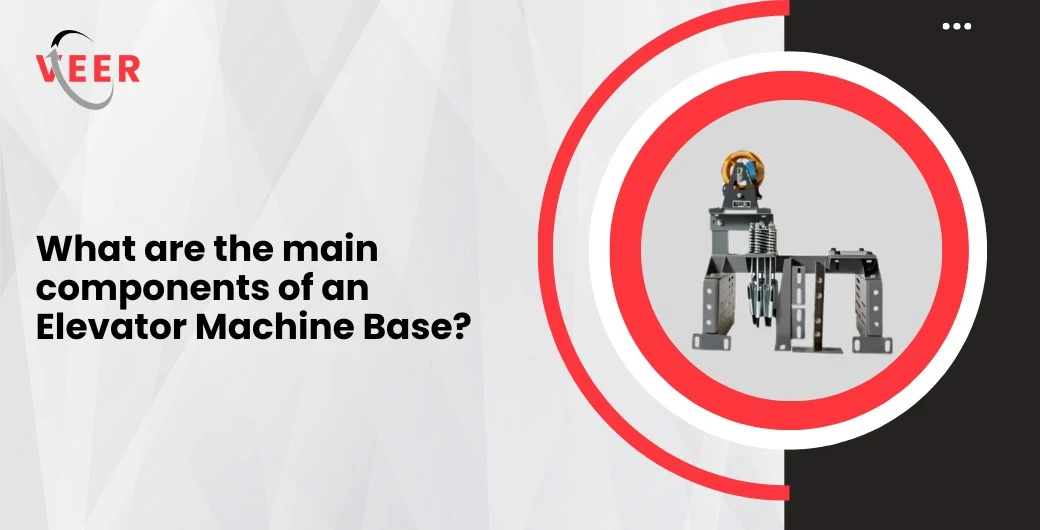
Elevator Machine Base

When we are talking about the performance, safety, and trustworthiness of elevators, the machine base comes into the spotlight. It is the foundation upon which all other important systems operate and hence a necessary aspect of every lift installation. Getting the right elevator machine base manufacturer means it’s all about power, accuracy, and longer life span with time. For office buildings, residential structures, or industrial plants, the machine base is the guarantor of hassle-free elevator operations, and businesses like Veer Elevator continue to offer trustable and high-quality solutions.

Principal Elements of an Elevator Machine Base

Knowing the primary elements of the machine base enables the property owner, engineer, or facility manager to make sound decisions at the time of installation and maintenance. The following are the key components that constitute this important system:
  1. Parts List of Elevator Machine Base
The base of the machine usually consists of a frame, mounting plates, vibration dampers, bolts, and structural supports. All these components together form the stability of the whole lift system.
  1. Mandatory Lift Machine Components
Important components like the traction motor, gearbox, and pulleys are fixed firmly onto the base. These parts function together to provide smooth movement of the elevator car.
  1. Role of Elevator Machine Base
The base’s major function is to stabilize and align the driving machinery of the elevator. Without a solid foundation, misalignments or vibrations may lead to safety risks and the shortening of the system’s lifespan.
  1. Elevator Motor and Gearbox Assembly
The gearbox and motor, the “top” of the system, get their stable mounting from the machine base. This provides smooth transfer of torque, less wear, and accurate speed control.
  1. Machine Base Support for Elevators
A sturdy structural foundation is required to support heavy loads and regular operating stress. It further reduces noise and vibration, adding to passenger comfort.
  1. Elevator Machine Base Systems Types
Based on the design of the building, machine bases can be customised as overhead, basement, or machine-room. All have specific installation needs. 
  1. Elevator Installation Hardware Guide
Proper installation consists of applying reinforced anchor bolts, alignment devices, and vibration isolation pads. These components prolong the lifespan of the machine base and avoid mechanical failures.
  1. Drive and Pulley Components of the Elevator
The drive system and pulleys deliver power from the motor to the ropes. The machine base keeps these components in alignment when heavy loads are applied.
  1. Lift Machinery Structural Base
In contemporary building construction, alloy or steel bases are used due to their strength and longer lifespan against weather conditions.
  1. Safety Maintenance Tips for Elevator Machine Base
Regular inspections, lubrication of machinery parts, and tightening checks of bolts are necessary for safety and performance. Reduce maintenance, reduce downtime and align to industry standards.

Still in Doubt Which Machine Base Is Suitable for Your Elevator System?

Explore advice from specialist engineers and collaborate with the appropriate elevator machine base manufacturer to enable you to choose a base that is safe, durable, and efficient.

Conclusion

The base of the elevator machine is greater than an open platform, it is the structural heart of lift equipment. From accommodating the motor and gearbox assembly to ensuring accurate pulley and drive alignment, its role is most critical. Correct choice of machine base types and routine maintenance ensure long-term operation. To most companies, a reliable base investment equates to reduced downtime and increased passenger security. That is the reason Veer Elevator is a top-recommended name, offering solutions for modern buildings.Briefly, the best elevator machine base manufacturer guarantees your elevators work with maximum productivity, reliability, and safety.